


Manu Biological Station
A unique epicenter of nature and biodiversity,
where the Andes and the Amazon forests converge
Landscape at Manu Biological Station
Photo: ACCA
Manu Data
Location
The Manu Biological Station, formerly known as Villa Carmen, has been owned and managed by Conservación Amazónica – ACCA since 2010. It is located in Pilcopata, Kosñipata Valley, Cusco, at the confluence of the Piñi Piñi and Pilcopata rivers, within the buffer zone of Manu National Park. Elevation ranges from 480 to 1200 meters above sea level.
Characteristics
- Extension: 3,622 hectares.
- Elevation: 480 to 1,200 m a.s.l.
- Predominant ecosystem: Montane forest.
- Climate: Warm and rainy.
- Average temperature: Around 22ºC
- Annual precipitation: 4 000 mm
- Habitats: Premontane forest, low montane forest, humid dwarf forest, bamboo forests (pacales), agricultural areas, and vegetation in primary and secondary succession.
- Number of species recorded: Amphibians (63), Reptiles (44), Birds (594), Mammals (69).
- Visitor capacity: 65 people
- Facilities: multipurpose dining hall, 200 m2 laboratory, conference rooms, bedrooms, and workshops spaces.
- Infrastructure: 50 km of trails and an oroya to cross the Piñi Piñi River.
Get to know Manu
Discover the biodiversity it protects
Photo: Maxime Aliaga / ACCA
Foto: Renzo Piana
Photo: Maxime Aliaga
Foto: Gabby Salazar
Photo: Maxime Aliaga / ACCA
Photo: Maxime Aliaga / ACCA
The Manu Biological Station is a true biodiversity hotspot, hosting an extraordinary diversity of butterflies, reptiles, amphibians, birds, and mammals. With over 590 bird species and 69 mammal species, including the tapir (Tapirus terrestris), giant anteater (Myrmecophaga tridactyla)short-eared dog (Atelocynus microtis) and big cats such as the jaguar (Panthera onca) and yaguarundi (Herpailurus yagouaroundi).
The area also shelters diverse primates, including the musmuqui (Aotus nigriceps) the large-headed capuchin (Sapajus macrocephalus)along with other equally fascinating species. Among amphibians and reptiles, the captivating South American bushmaster stands out, (Lachesis muta), the impressive Emerald Tree Boa (Corallus caninus)the monkey frogs (Phyllomedusa spp.) , and poison frogs (Ameerega spp.).
Landscapes range from premontane forests to bamboo forests and riparian ecosystems, complemented by crystal-clear streams, rivers, and small lagoons.
Our work with the community
At the Manu Biological Station, we value our partnership with the Santa Rosa de Huacaria Native Community, composed of the Matsigenka and Wachiperi peoples. We collaborate closely to promote sustainable practices and mutual learning.
Our community work focuses on agroforestry and aquaculture. We maintain orchards of medicinal and native plants cultivated sustainably without pesticides or insecticides.
We are also committed to sharing knowledge with nearby communities and contributing to forest restoration. At Manu, collaboration is central to promoting sustainability and collective well-being.
Foto: MINCUL
Foto: MINCUL
Foto: Fernanda Lacerda / ACCA
Foto: Alfredo Cóndor / ACCA
Science and Conservation
Saving the Amazon through science
Immerse yourself in the world of the ManuBio Biological Station through our field courses. Each year, in collaboration with prestigious universities and academic programs, we offer a wide range of courses that will allow you to explore and learn in the middle of the lush rainforest. From biodiversity studies to scientific research and environmental conservation, our courses give you the opportunity to immerse yourself in fascinating nature and gain practical knowledge from experts in the field. We are also proud to host the modern “Thomas Lovejoy” Biodiversity and Climate Change Laboratory, inaugurated in 2024, which enables genetic analyses to be conducted directly in the Peruvian Amazon.
Join us for an unforgettable educational experience in the heart of the Amazon rainforest!
For academic inquiries, contact: Ciencia@conservacionamazonica.org Learn about the ongoing projects:
Learn about the ongoing projects:

Escarabajos
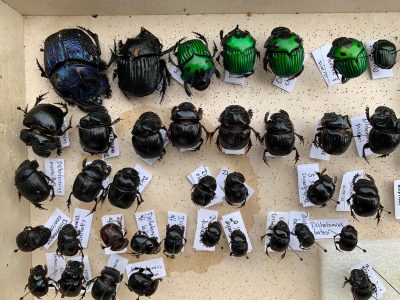
A project that promotes the study of insect diversity and their microbiome along a complete forest altitudinal gradient in the Peruvian Andes
Visit us
If you are a naturalist, birdwatcher, or nature enthusiast, we invite you to discover our biological stations! Enjoy a unique experience at Wayqecha, Manu, and Los Amigos, where you can explore Andean-Amazonian biodiversity and observe birds in their natural habitat.
Connect with nature - visit us.
Manu Biological Station
Allies and Partners

![logos proporcion 600 px [Recuperado]-67-42](https://acca.org.pe/wp-content/uploads/2022/05/logos-proporcion-600-px-Recuperado-67-42-330x165.png)

![logos proporcion 600 px [Recuperado]-67-46](https://acca.org.pe/wp-content/uploads/2022/05/logos-proporcion-600-px-Recuperado-67-46-330x165.png)
![logos proporcion 600 px [Recuperado]-67-01](https://acca.org.pe/wp-content/uploads/2022/05/logos-proporcion-600-px-Recuperado-67-01-1-330x165.png)